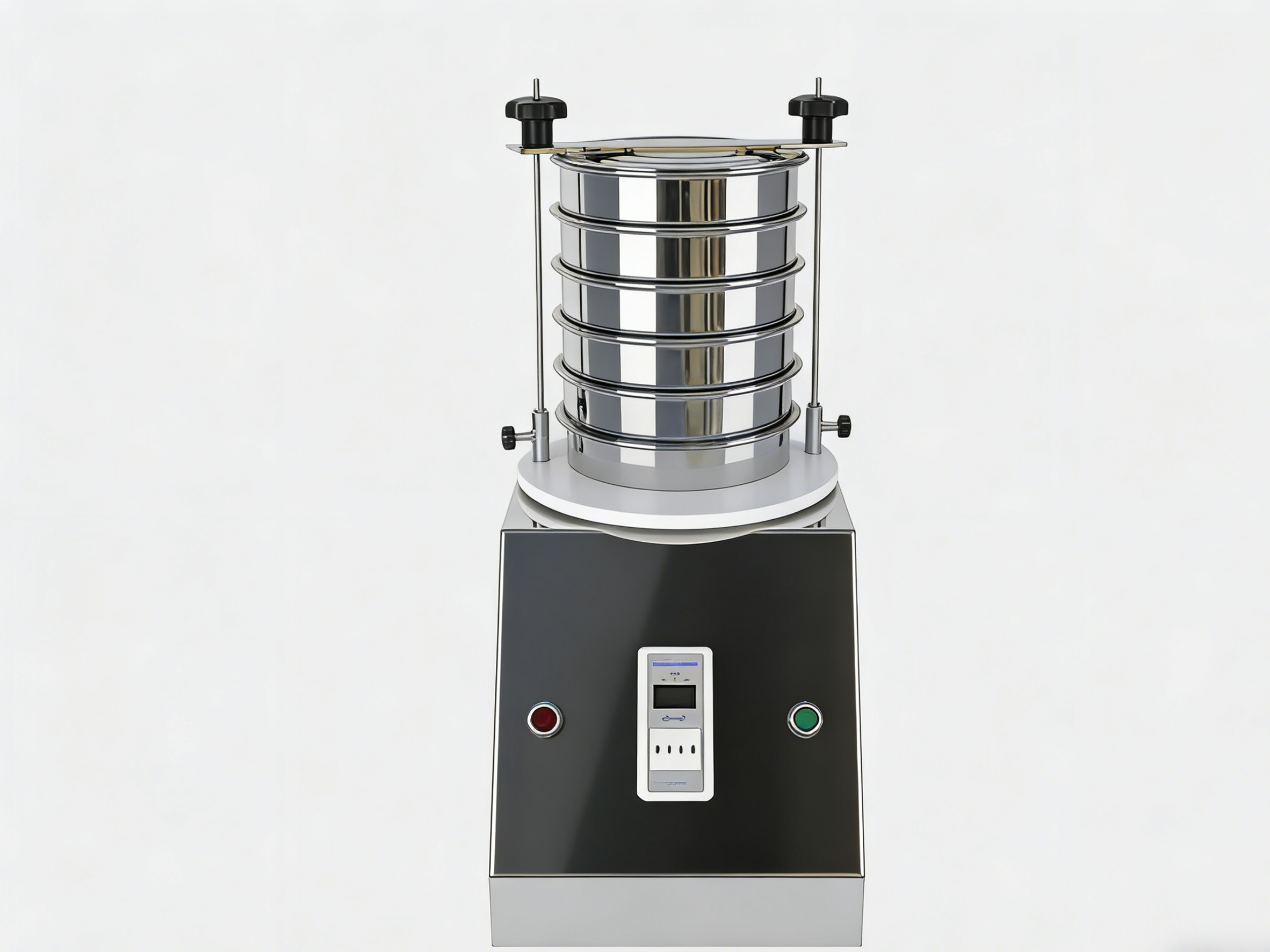
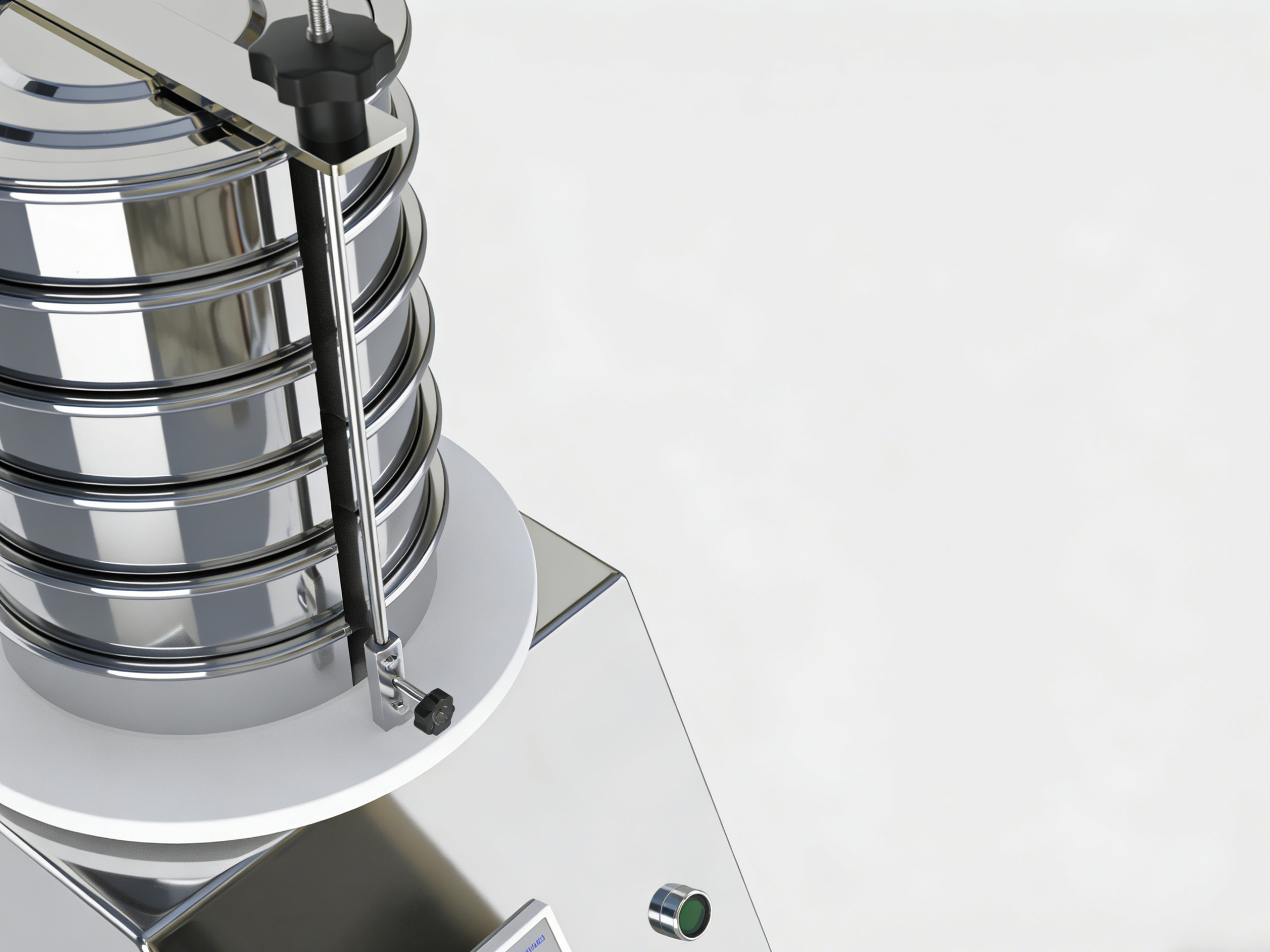
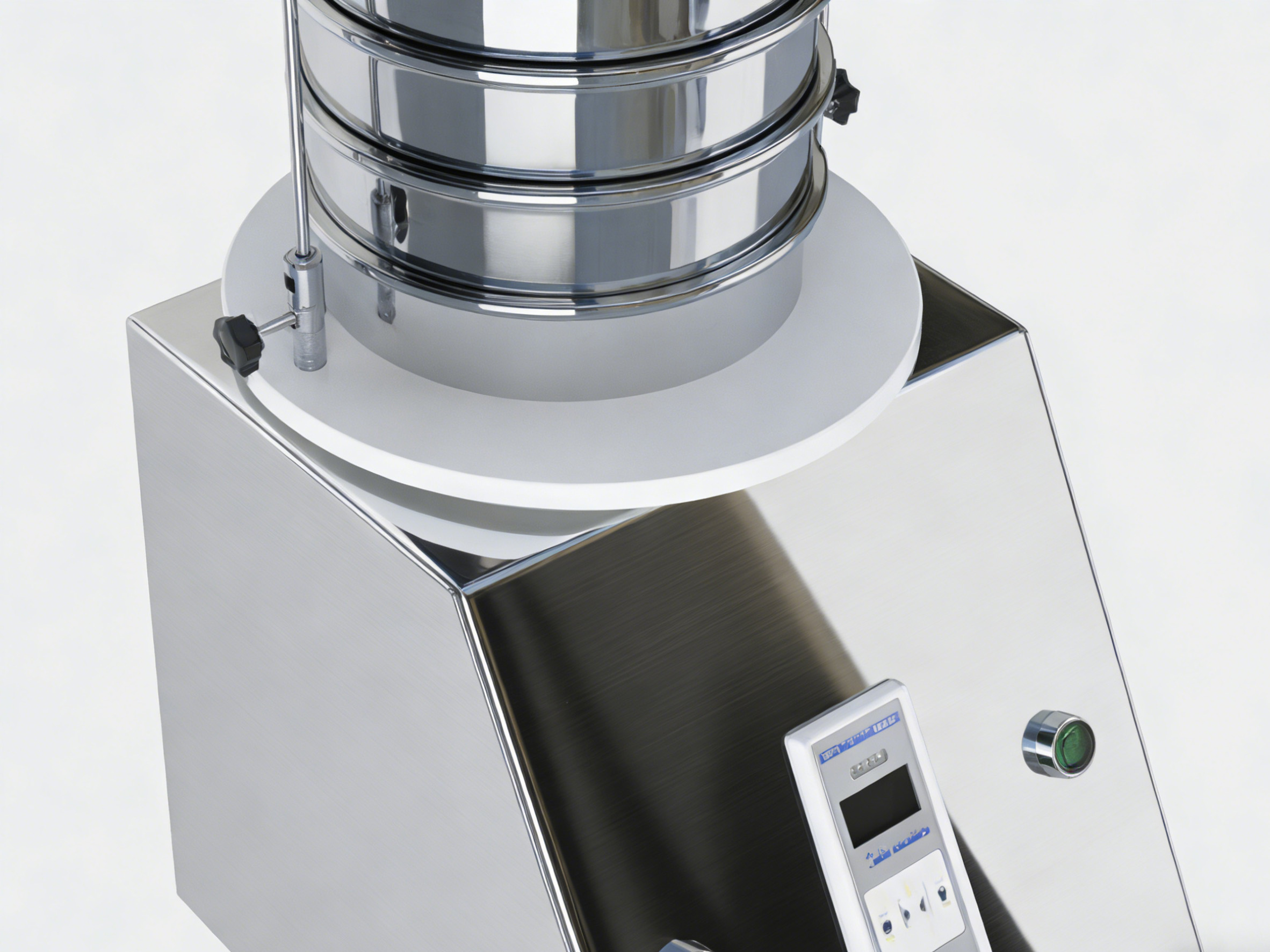
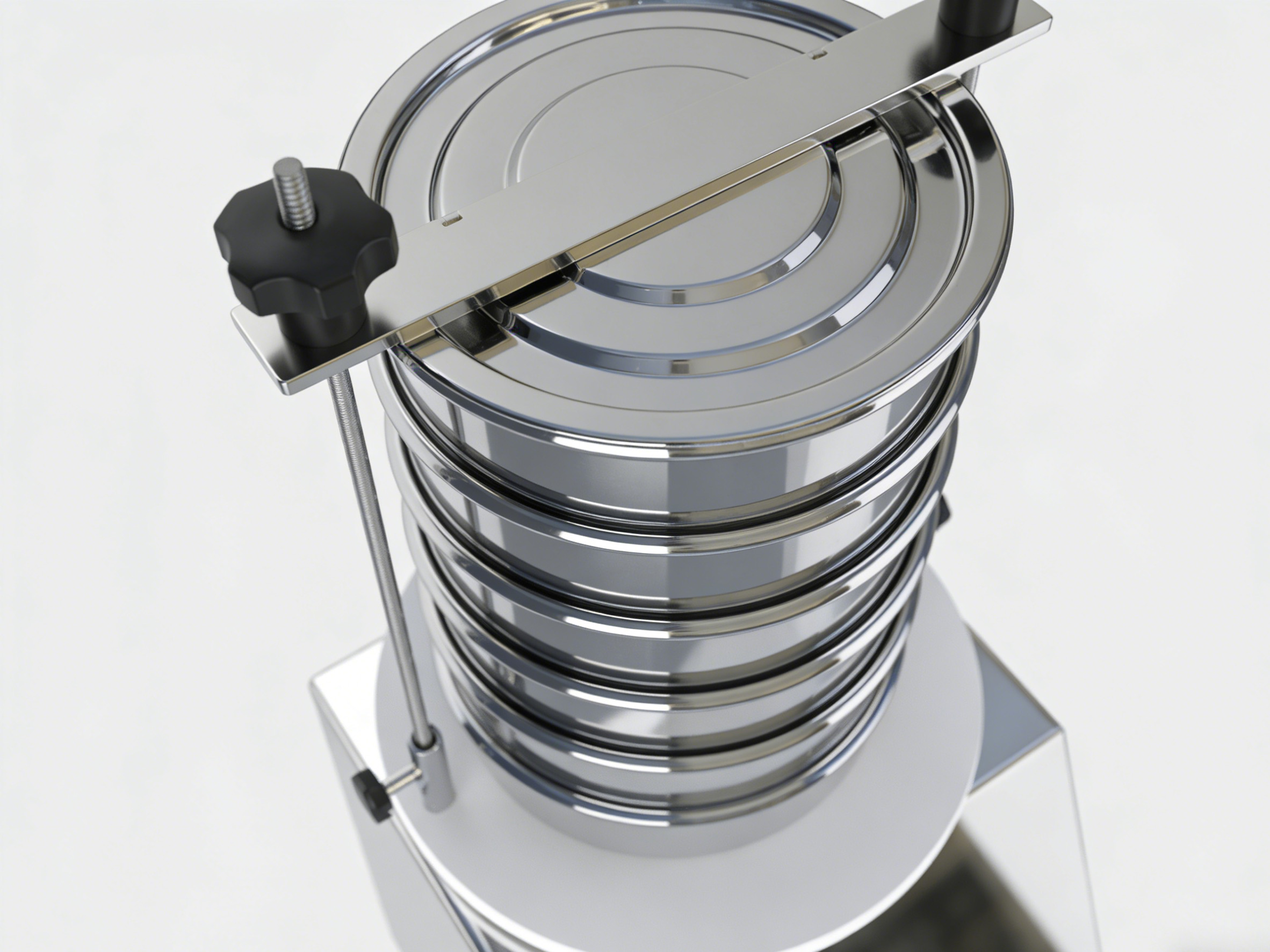
Lab Test Sieve
Brand: XUANYU
Capacity: 30 kg/hour
Mesh Size: 3-450 mesh
Material: SS304/316/carbon steel
Screen Size: 200/300mm
Application: food,flour,chemical,pharmcy,ming etc.
Category:Sieving Machine
Product Details
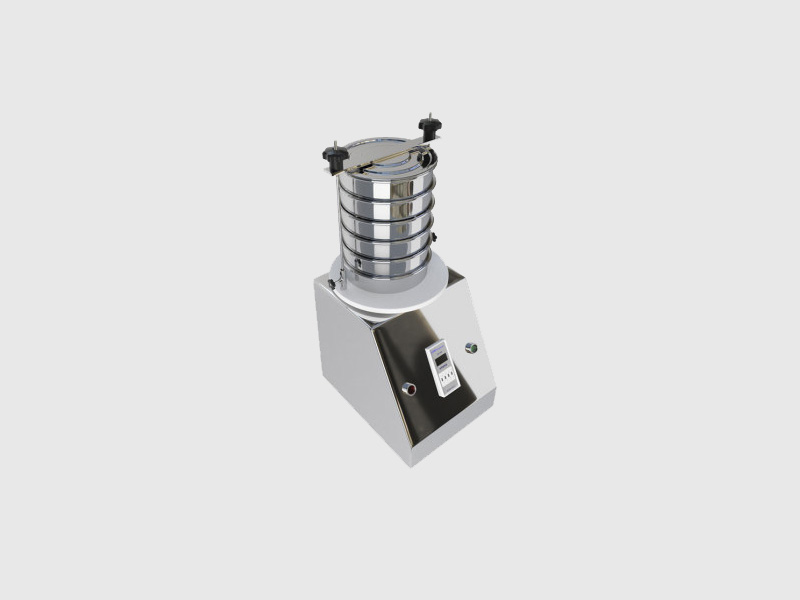
XUANYU Lab Test Sieve: Precision Particle Size Analysis Tool
XUANYU Lab Test Sieve is a high-precision instrument engineered for accurate particle size distribution analysis in laboratory settings, adhering to international standards like ISO 3310-1 and ASTM E11 to ensure reliable, comparable results across various industries. It integrates robust construction, premium materials, and user-centric design, making it ideal for quality control, research, and material classification tasks.
Core Advantages
- Uncompromised Precision: Woven wire mesh (0.02mm–2.36mm) or perforated plate (1mm–125mm) with precise aperture tolerances, ensuring consistent particle separation.
- Durable Build: 304/316 stainless steel frames and mesh resist corrosion, deformation, and wear; rigid frame design maintains stability during mechanical shaking.
- Seamless Compatibility: Interlocking rims enable vertical stacking for multi-stage analysis; fits most standard sieve shakers (diameters: 100mm, 200mm, 300mm).
- Easy Maintenance: Smooth surfaces and detachable components simplify cleaning and calibration, extending service life.
Technical Specifications
表格
| Parameter | Details |
|---|---|
| Frame Material | 304/316 stainless steel |
| Mesh Material | Stainless steel woven wire or perforated plate |
| Standard Compliance | ISO 3310-1, ASTM E11 |
| Common Diameters | 100mm, 200mm, 300mm |
| Aperture Range | 20μm–125mm |
| Stackability | Interlocking rims for stable multi-sieve stacking |
| Typical Applications | Mining, construction, pharmaceuticals, chemicals, food & beverage |
How It Works
- Sample Preparation: Weigh and place the material sample on the top sieve of a stacked set (largest aperture at the top, smallest at the bottom, with a collection pan at the base).
- Agitation: Mount the stack on a mechanical or sonic sieve shaker; set the time and amplitude for consistent shaking.
- Collection & Analysis: After shaking, weigh the material retained on each sieve and the pan. Calculate the percentage retained/passed to determine particle size distribution.
- Data Reporting: Generate cumulative percentage curves or particle size distribution graphs for quality assessment and process optimization.
Key Applications
- Quality Control: Verify material compliance with particle size specifications in manufacturing (e.g., concrete aggregates, pharmaceutical powders).
- Research & Development: Characterize new materials to optimize properties like strength, solubility, and reactivity.
- Material Classification: Separate samples into specific size fractions for further testing or specialized product development.
- Soil & Environmental Analysis: Determine soil particle size distribution for agricultural and geological studies.
Why Choose XUANYU Lab Test Sieve?
XUANYU Lab Test Sieve combines precision engineering, durability, and ease of use, making it a trusted tool for laboratories and quality control departments worldwide. Its adherence to international standards ensures data consistency, while its robust design guarantees long-term reliability in demanding industrial environments. Whether for routine quality checks or advanced research, XUANYU Lab Test Sieve delivers accurate, repeatable results to drive informed decision-making.
Frequently Asked Questions
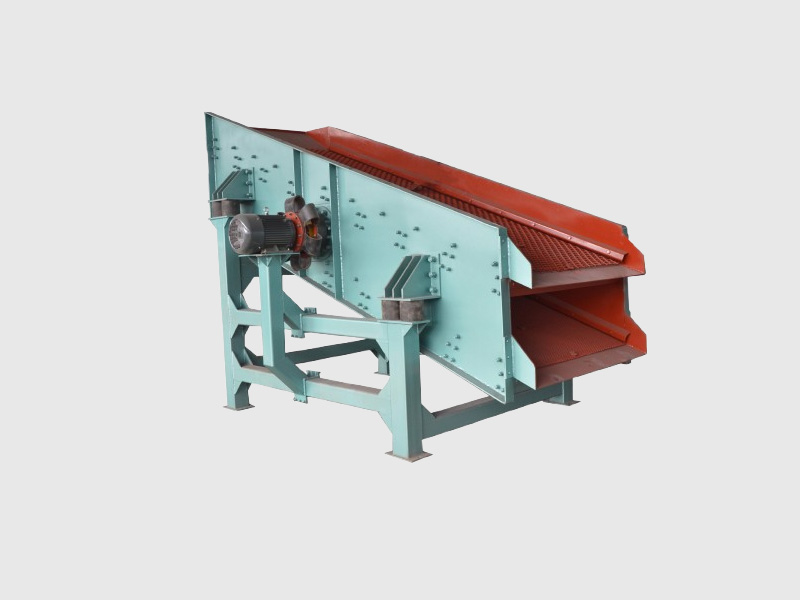
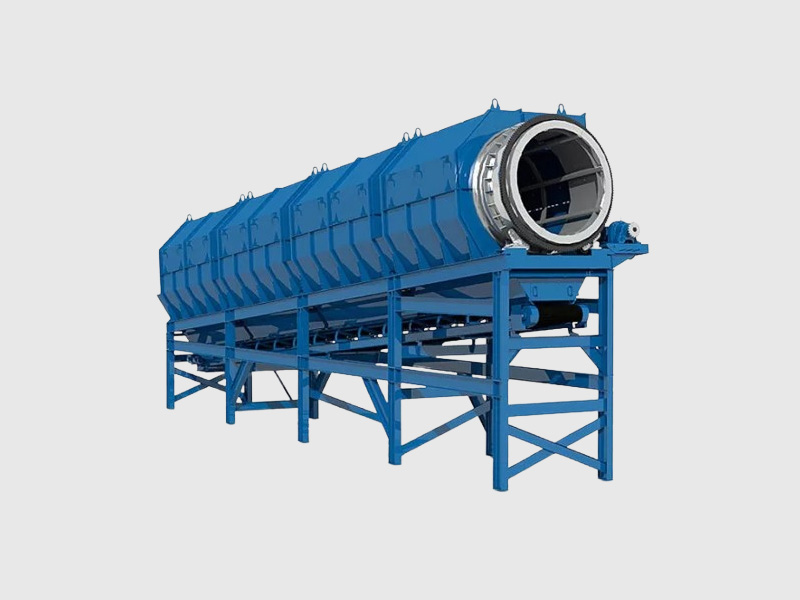
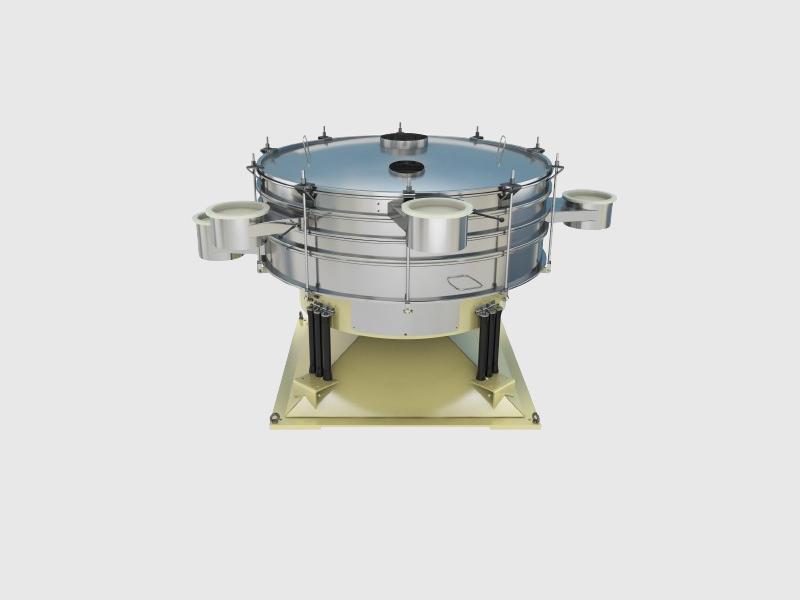
Vibrating Screens Are Suitable for a Wide Range of Materials

Vibrating screens are widely used across food, chemical, pharmaceutical, plastics, and metal processing industries. Common materials include:
- Food powders
- Spices
- Flour
- Sugar
- Coffee powder
- Chili powder
- Chemical powders
- Fertilizers
- Plastic granules
- Metal powders
- Pharmaceutical materials
Does Each Material Require the Same Screen Configuration?
No. Different materials have unique characteristics such as particle size, moisture content, density, and flowability. Therefore, they may require:
- Different screen mesh sizes
- Different vibrating screen types
- Customized machine configurations
- Special materials such as stainless steel for food and pharmaceutical applications
Selecting the proper screen mesh and machine configuration helps achieve higher screening efficiency, better product quality, and more stable production performance.
Key Factors for Selecting the Right Vibrating Screen
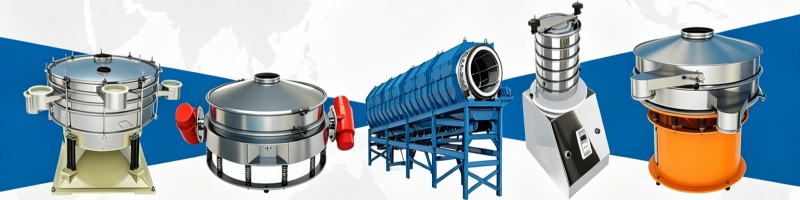
Choosing the correct vibrating screen depends on several important factors:
- Material characteristics (powder, granules, wet, sticky, abrasive, etc.)
- Particle size range to be screened
- Required processing capacity (kg/h or t/h)
- Screening accuracy and separation requirements
- Number of screen decks needed
- Available installation space at the production site
What Information Should I Provide to Get an Accurate Recommendation?
To recommend the most suitable vibrating screen model, manufacturers typically require:
- Material photos or videos
- Material name and properties
- Required mesh size or particle size distribution
- Desired production capacity (kg/h or t/h)
- Number of fractions to be separated
- Special requirements such as dust-proof, food-grade, or explosion-proof design
Providing detailed material information helps ensure the selected vibrating screen delivers optimal screening efficiency, accuracy, and productivity.
- What material you want to processing?
- Material bulk density.
- Capacity.
- Mesh sizes for a sieving machine; length or height for a conveying machine.
- Product material requirement (carbon steel Q235A, stainless steel SUS304 or
SUS316,etc.) - Voltage & Frequency(Hz) is also needed for a precise quotation.
Sure, we have our own R&D department to offer customization service for you.
A set of equipment takes 3-7 working days, and more than 1 set takes about 15-20 working days.
13-month warranty ensures you have no worries.